


Cooking at the Edge of the Known World: Authenticity, Food Culture, and Dining in Antarctica at White Desert
Updated: Feb 12
Article by: Janna Tamargo | Photography by: Janna Tamargo and Gabriel Leigh | Published January 22, 2026

Authentic Food Without Terroir: How Antarctica Gets Fed
Traditional definitions of authentic cuisine emphasize local ingredients, generational knowledge, and deep ties to land. In Antarctica, none of those exist.
At White Desert, food planning begins months before anyone arrives on the ice. Menus are developed in collaboration with The Food Room, a South African culinary development company whose role is to design meals that can survive extreme cold, unpredictable weather, and international guest expectations.
The result is a carefully engineered eight-day menu rotation that balances nourishment, comfort, and psychological familiarity.


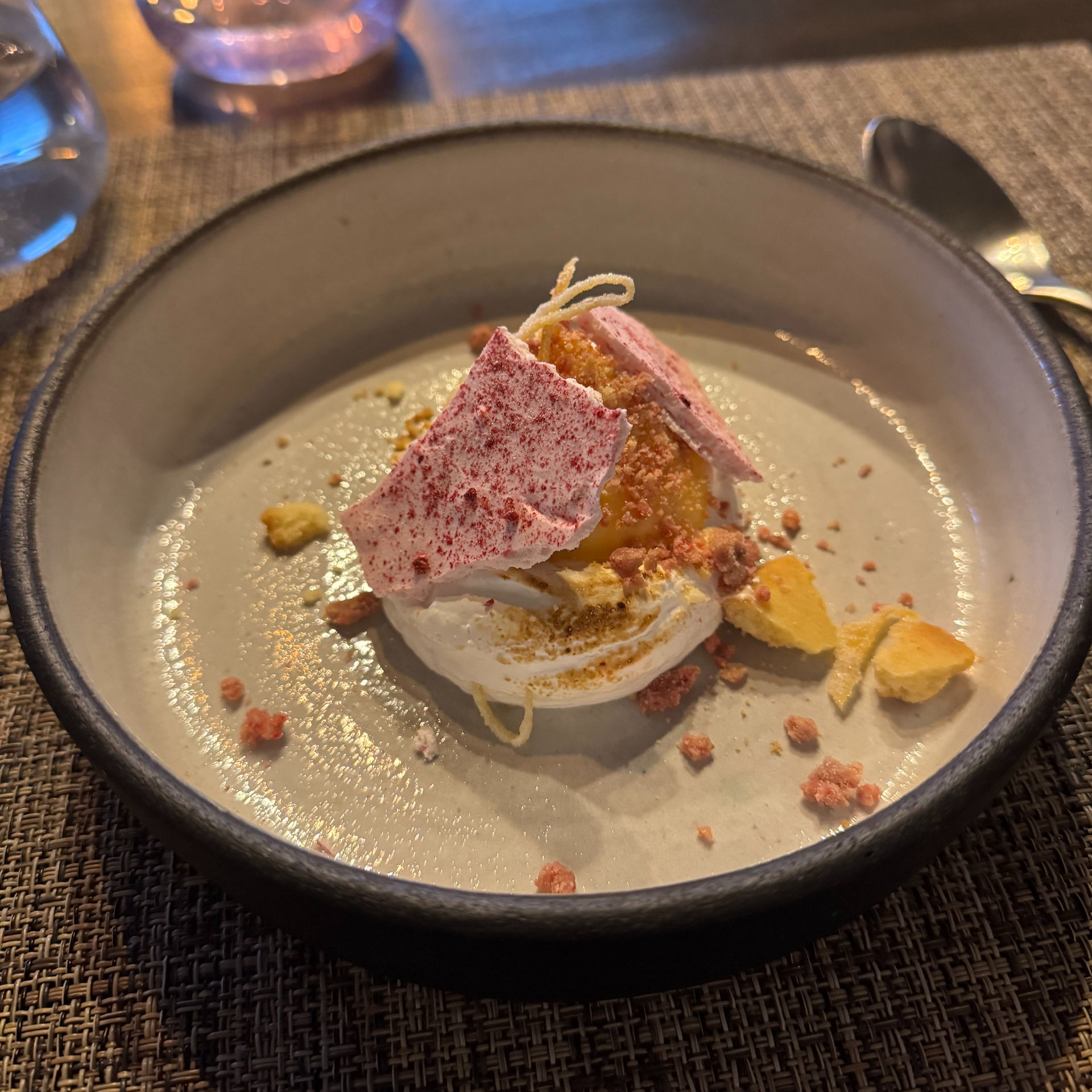

Breakfasts range from shakshuka to a full English. Lunches are portable and functional: smoked salmon spreads, couscous salads, sandwiches, and pizzas baked in a forno oven overlooking the Antarctic runway. Dinners alternate between plated meals and shared service, including beetroot with burrata, lobster and line-caught fish chowder, Asian-inspired pork belly and dumplings, and malva pudding finished with Amarula.
The final evening, known as White Night, is a monochromatic tribute to Antarctica itself: scallops, cauliflower risotto, white sorbet, and a white chocolate “penguin egg.”

In the absence of local ingredients, authenticity is expressed through narrative, contrast, and experience.
When Authenticity in Food Is About People, Not Ingredients
When I asked Michael what makes a dish authentic in Antarctica, he didn’t talk about sourcing or technique.
He talked about people.

Authenticity, he explained, emerges from shared experience...who you’re eating with, the environment you’re in, and the meaning attached to the moment. Food becomes a social equalizer. Even without a shared language, people can share a meal.
From a sociological perspective, authenticity is not a fixed quality. It is negotiated, situational, and relational. Antarctica makes this visible.
Here, authenticity is produced through:
Environmental extremity
Collective vulnerability
The contrast between survival outside and comfort inside
One meal references early South Pole expeditions through pemmican and “sludge biscuits,” foods eaten not for pleasure but for survival. Guests taste them not because they are enjoyable, but because they are historically real.
In this context, authentic food becomes an educational encounter, not a culinary indulgence.
South African Food Culture on Antarctic Ice
White Desert’s culinary identity is deeply influenced by South Africa, where the company is headquartered and where its culinary team is trained. Ingredients are shipped from Cape Town, and the menu reflects that lineage.
When malva pudding is served, South African guests respond instantly and emotionally. The dish creates a powerful sense of recognition and belonging.
This reinforces a core finding in food sociology: authenticity is socially constructed.
In a temporary community composed of multiple nationalities, the most authentic food is often the one that resonates emotionally with the group present. In Antarctica, authenticity is not local, instead it is collective.
The Modern Chef and Extreme Foodways
Michael’s career reflects a broader shift in contemporary food culture toward adaptability, sustainability, and mobility. His background includes whole-animal butchery, waste reduction, historical recipe reconstruction, and food systems thinking.
Cooking in Antarctica collapses the distinction between profession and survival. Chefs sleep in tents, shovel snow, drink glacier water, and cook for people navigating physical and psychological extremes.
Few environments reveal so clearly how food functions as infrastructure, morale, and meaning.
What Antarctica Teaches Us About Authentic Food

At AuthenticFood.com, my work focuses on examining how authenticity is defined, performed, and contested in restaurants and food cultures worldwide. Antarctica offers a rare clarity.
Authentic food is not always about origin. It is not always about tradition. And it is never static.
Sometimes, authenticity is created through shared experience, collective hardship, and the stories we choose to tell through food, especially in places where no food culture existed before.
At the edge of the known world, authenticity doesn’t disappear. It becomes visible for what it truly is: a human construction, formed at the table.


